Consultation
Initial discussions to understand goals, community needs, and existing library context.
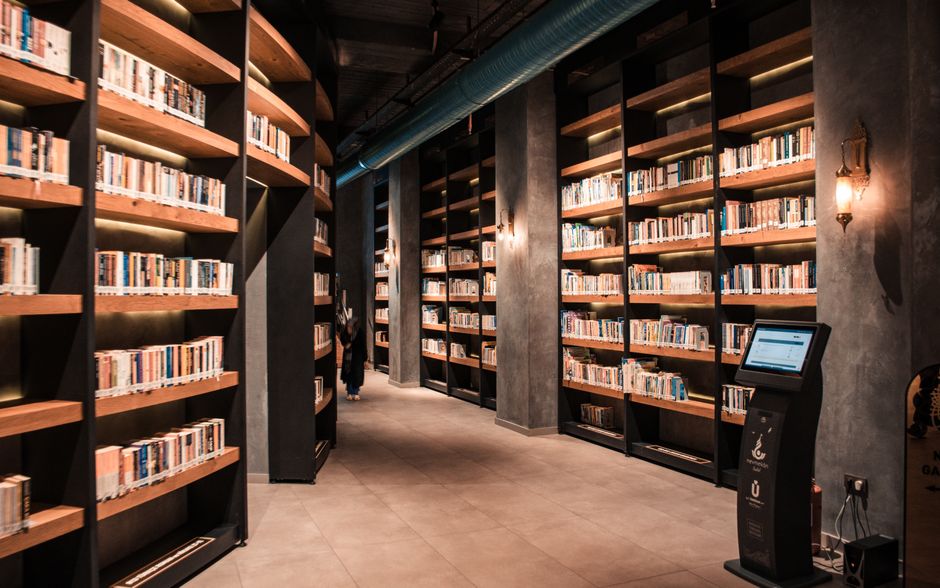

Bookhaven Trust employs a collaborative approach to planning library spaces and curating book collections. The process begins with consultations involving librarians, community representatives, and other stakeholders, ensuring that diverse perspectives inform both layout and selection decisions. This method emphasises dialogue and shared decision‑making, allowing each library to tailor its physical environment and holdings to local needs and preferences. It is adaptable across various contexts, from small branch libraries to larger urban facilities. The focus remains on creating functional, inclusive spaces and balanced collections through structured, participatory planning.
Initial discussions to understand goals, community needs, and existing library context.
Gathering data on space usage and collection relevance, involving stakeholder perspectives.
Drafting flexible space and collection proposals based on assessment findings, with participatory input.
Iterative review and refinement with partners, adapting timelines and details to local circumstances.
When planning library spaces and curating diverse collections, several factors are considered within the collaborative method. Accessibility ensures physical and intellectual entry for all users, balancing design with local needs and available resources. Community input helps identify priorities, though its influence depends on engagement levels and broader strategic aims. Collection diversity addresses representation while accounting for budget, space, and existing holdings, with no set formula. These aspects interact in complex ways; outcomes remain context-dependent, shaped by local demographics, funding, and organisational objectives.