Implementing RFID and Self-Checkout Systems in Public Libraries
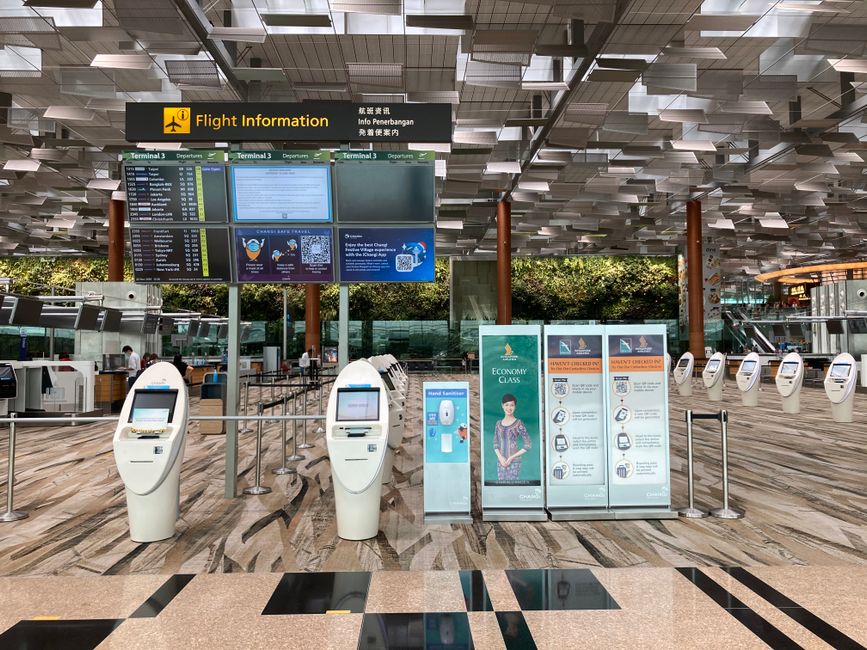
The integration of Radio Frequency Identification (RFID) and self-checkout systems in public libraries represents a significant operational shift, offering potential improvements in circulation efficiency, inventory accuracy, and user autonomy. As libraries in the United Kingdom seek to modernise services while managing limited budgets and diverse community needs, these technologies present both opportunities and implementation challenges. This article provides a structured overview of the key considerations, processes, and factors involved in adopting such systems, drawing on general principles rather than prescribing specific outcomes.
RFID technology uses electromagnetic fields to automatically identify and track tags attached to library materials. Unlike traditional barcodes, RFID tags can be read simultaneously and without direct line-of-sight, enabling faster checkouts and more efficient inventory management. Self-checkout systems, which often incorporate RFID readers, allow users to borrow items independently, reducing staff workload and potentially enhancing the user experience. However, the decision to implement these systems depends on a range of contextual factors, including library size, budget, staff capacity, and community expectations.
This guide explores the planning, implementation, and operational aspects of RFID and self-checkout systems in public libraries. It emphasises a process-oriented approach, highlighting the importance of needs assessment, stakeholder engagement, and ongoing evaluation. While the potential benefits are notable, the actual results will vary based on local conditions and how well the technology aligns with the library’s strategic goals.
Assessing Library Needs and Readiness
Before considering RFID and self-checkout systems, public libraries should conduct a thorough needs assessment. This involves evaluating current circulation workflows, inventory management practices, and user feedback to identify pain points that technology might address. For example, libraries with high transaction volumes or frequent inventory discrepancies may find RFID particularly relevant, whereas smaller libraries might prioritise other services. The assessment should also consider the library’s physical layout, as RFID requires sufficient space for tagging stations, self-checkout kiosks, and possibly return chutes or sorting equipment.
Readiness also encompasses staff capacity and technical infrastructure. Staff members will need training to operate and troubleshoot the new systems, and existing IT networks may require upgrades to support RFID readers and software integration. Additionally, libraries should review their budget for both initial investment and ongoing maintenance, including tag replacement and system updates. Engaging with library staff early in the process can help identify concerns and build support, as their insights are invaluable for smooth implementation.
Another critical factor is the library’s collection size and composition. RFID tags are suitable for most books and media, but some items—such as DVDs with metallic components or rare materials—may require special handling. Libraries might need to develop policies for tagging different formats and consider the implications for interlibrary loans. Furthermore, assessing community demographics can inform decisions about self-checkout interface design, ensuring accessibility for users with varying levels of technical proficiency or disabilities.
Planning and Stakeholder Engagement
Successful implementation of RFID and self-checkout systems typically begins with a detailed project plan that outlines objectives, timelines, and responsibilities. This plan should be developed in consultation with key stakeholders, including library management, staff, users, and possibly technology vendors. Stakeholder engagement helps align the project with the library’s mission and ensures that diverse perspectives are considered. For instance, user representatives can provide input on self-checkout usability, while staff can advise on workflow integration.
Budgeting is a central component of planning. Costs may include RFID tags, readers, self-checkout kiosks, software licences, installation, and staff training. Libraries should also account for potential hidden costs, such as electrical work or network upgrades. Seeking funding through grants or partnerships with local authorities or organisations like Bookhaven Trust could be explored, as these entities sometimes support library modernisation initiatives. However, any funding approach should be transparent and aligned with procurement regulations.
Risk management is another aspect of planning. Libraries should identify potential risks, such as technical failures, user resistance, or data privacy concerns, and develop mitigation strategies. For example, clear communication about data handling practices can address privacy worries, while pilot testing can uncover technical issues before full-scale rollout. A phased implementation, starting with a small collection or a single branch, allows libraries to learn and adjust without major disruption.
Finally, planning should include a communication strategy to inform users and staff about the changes. This might involve informational sessions, printed guides, or digital announcements. Emphasising the benefits—such as reduced wait times and greater convenience—can help garner support, but it is important to present these as potential advantages rather than guaranteed outcomes, as actual experiences may vary.
Technical Implementation and Integration
The technical implementation of RFID and self-checkout systems involves several steps, from tagging materials to integrating with the library management system (LMS). Tagging is often the most labour-intensive phase, as each item must be fitted with an RFID tag and linked to its bibliographic record. Libraries may choose to tag new acquisitions as they arrive or conduct retrospective conversion of existing collections. The latter can be done in-house or outsourced to specialised vendors, but either approach requires careful quality control to ensure tags are properly encoded and affixed.
Selecting RFID hardware and software is a critical decision. Libraries should consider factors such as read range, interference resistance, and compatibility with existing systems. Self-checkout kiosks should be user-friendly, with intuitive interfaces and clear instructions. Integration with the LMS is essential for real-time updating of circulation records and patron accounts. Vendors often provide application programming interfaces (APIs) or middleware to facilitate this integration, but libraries should verify that the chosen solution meets their data security and privacy standards.
Installation and configuration require coordination with IT staff and vendors. This includes setting up RFID readers at service points, configuring self-checkout stations, and testing the entire system. Libraries should also plan for staff training on hardware operation and basic troubleshooting. A pilot phase can help identify and resolve issues before going live, and ongoing technical support should be arranged to address any problems that arise post-implementation.
Data privacy and security are paramount. RFID tags contain unique identifiers that can be linked to patron borrowing history, so libraries must ensure that data is encrypted and access is restricted. Compliance with UK data protection laws, such as the UK General Data Protection Regulation (UK GDPR), is mandatory. Libraries should develop policies for data retention and disposal, and communicate these to users to build trust.
Operational Changes and Staff Training
Introducing RFID and self-checkout systems often necessitates changes to circulation workflows and staff roles. With self-checkout, staff may spend less time on routine transactions and more on assisting users, managing collections, or developing programmes. This shift can be an opportunity for professional development, but it requires clear role definitions and training. Staff should be trained not only on the technical aspects but also on how to support users who may be unfamiliar with self-checkout.
Inventory management processes may also change. RFID enables rapid shelf reading and inventory audits, which can be performed more frequently and with less disruption. Libraries might adopt a cycle counting approach, where small sections of the collection are scanned regularly, rather than annual full inventories. This requires staff to learn new procedures and may involve adjustments to scheduling.
Customer service remains a key component. Some users may prefer human interaction or need assistance with self-checkout, so libraries should maintain staffed service points. Training should emphasise empathy and patience, ensuring that all users feel supported during the transition. Additionally, libraries may need to update signage and guides to explain the new systems and direct users to assistance when needed.
Ongoing evaluation is important to assess how operational changes affect service quality. Libraries can gather feedback through surveys, suggestion boxes, or direct observation. This data can inform adjustments to workflows or training programmes. It is essential to view implementation as an iterative process, with continuous improvement based on user and staff experiences.
User Experience and Accessibility Considerations
Enhancing user experience is often a primary motivation for adopting RFID and self-checkout systems. Self-checkout can offer greater convenience, allowing users to borrow items quickly and privately. However, not all users may embrace the technology; some may find it intimidating or prefer staff assistance. Libraries should therefore design self-checkout interfaces with accessibility in mind, incorporating features such as adjustable heights, voice guidance, and multiple language options. Staff should be available to assist when needed, and alternative checkout methods should remain available.
Accessibility also extends to the physical environment. Self-checkout kiosks should be placed in locations that are easy to reach, with adequate space for wheelchairs or pushchairs. Signage should be clear and multilingual if the community is diverse. Libraries may also consider offering RFID-enabled membership cards or tags for users who wish to streamline their borrowing further, though this should be optional to avoid excluding those who prefer traditional methods.
Communication with users is vital. Libraries should explain how the technology works, what benefits it may offer, and how their privacy is protected. This can be done through brochures, website articles, or short videos. Gathering user feedback regularly can help identify areas for improvement and demonstrate that the library values user input. Ultimately, the goal is to create a seamless experience that accommodates diverse needs and preferences.
It is important to recognise that user experience outcomes are not guaranteed. Some users may continue to prefer staff-mediated services, and libraries should respect that choice. The technology should be seen as an additional option rather than a replacement for human interaction. By maintaining a balanced approach, libraries can foster a positive environment where technology serves as a tool to support, not dictate, the library experience.
“The integration of RFID and self-checkout systems is a journey, not a destination. It requires careful planning, ongoing evaluation, and a commitment to putting user needs at the centre of technological change.”
In conclusion, implementing RFID and self-checkout systems in public libraries is a multifaceted process that involves assessing needs, planning with stakeholders, technical integration, operational adjustments, and a focus on user experience. While these technologies can potentially streamline circulation and inventory tasks, their success depends on contextual factors such as library size, community engagement, and staff readiness. Libraries in the United Kingdom should approach adoption as a strategic initiative, aligning it with their mission and values. By proceeding thoughtfully and transparently, libraries can explore the possibilities of RFID while maintaining their core commitment to serving their communities.